
What is a sustainable diet & why does it matter?

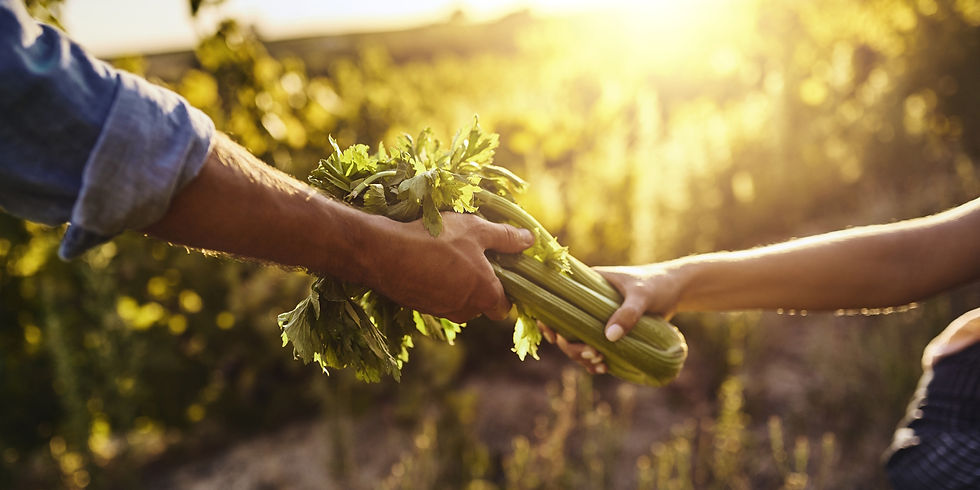
What we eat doesn’t just affect our health – it has a powerful impact on the planet too. From how food is produced to how much is wasted, our daily choices shape everything from climate change to biodiversity and the future of our food system.
Our current food system contributes:
15–30% of global greenhouse gas emissions, with red meat and dairy among the biggest contributors.
80% of global deforestation, responsible for the clearance of over six million football pitches a year.
Significant water usage and biodiversity loss
The food system isn’t just harming the planet, it’s affecting our health too. With two in three adults overweight or obese, diet is the leading cause of avoidable disease – now causing more ill health than smoking.
That all sounds a little bleak, but the good news? Eating in a way that’s both healthy and sustainable doesn’t have to be complicated or restrictive. Small changes can make a big difference.
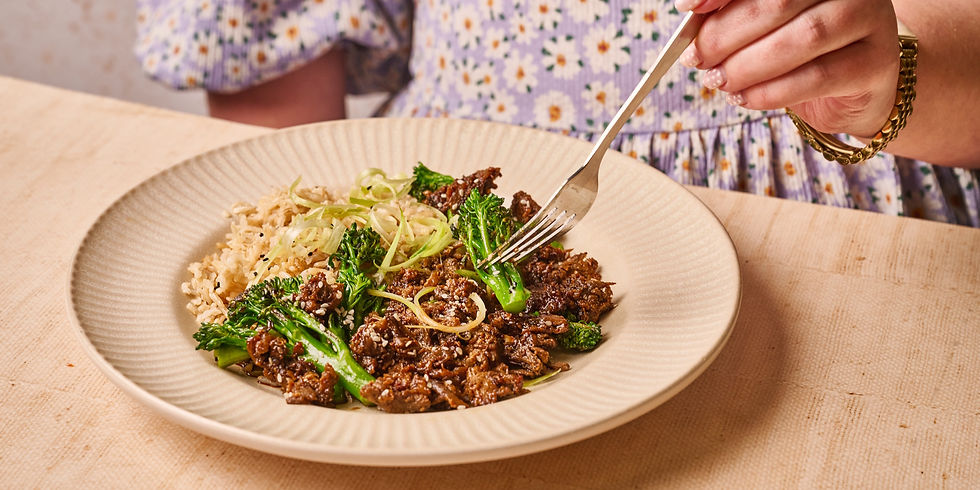
So, what is a sustainable diet?
A sustainable diet is one that:
Supports your health and wellbeing
Has a low environmental impact
Uses resources responsibly
Is accessible and affordable
In simple terms, a sustainable diet should be a healthier diet and a healthier diet should be a more sustainable diet.
The UK Government’s Eatwell Guide has been shown to be both healthier and more sustainable, yet less than 1% of people are eating in this way. It can:
Reduce greenhouse gas emissions by ~30%
Reduce land use by 34%
Reduce water use by 17%
Add 17.9 million years of healthy life
That’s because it promotes eating more plants: getting our five-a-day, choosing wholegrains, eating more beans and pulses and all the benefits that come with that, and cutting back on red and processed meat and foods high in fat, sugar and salt.

Top tips for eating more sustainably
You don’t need to completely change your diet to make a difference. Here are some practical tips to get you started:
Eat more plants. Plant foods generally produce fewer greenhouse gas emissions, whilst also being higher in fibre, vitamins and minerals. Focus on diversity: currently, 80% of our diet comes from 12 plants and five animals, even though there are over 30,000 edible plant species!
Reduce high-impact foods like red meat. You don’t have to go fully vegetarian or vegan. Start with:
o One or two plant-based meals per week
o Swapping meat for beans, lentils or tofu in recipes
o Go for less, but better
o Make veggies the star of the show, adding small amounts of animal products for flavour, like a sprinkling of chorizo or feta to pack a punch!
o If you want to try going plant-based, check out our blog post with lots of handy hints and tips to help you make the transition.
Choose seasonal and local produce. We’ve come to expect that we should have strawberries and tomatoes all year round, but when it comes to sustainability, we should focus on what’s naturally growing during the season we’re eating in – not only do these ingredients require fewer resources to produce, they also taste better and are often cheaper. Find out what’s in season here.
Cut down on food waste. The UK wastes ten-to-12 million tonnes of food waste annually, 60% of which comes directly from households. To help reduce this:
o Plan meals in advance – you’ll also save money!
o Use up leftovers
o Store food correctly to stop it going off too quickly
o Know the difference between use-by and best-before – use-by dates are about safety, so it’s best not to consume after this date to avoid illness, whereas best- before relates to quality, meaning food is still safe to eat but may lose flavour or texture. Past it’s best-before date? If it looks, smells and tastes fine, it’s probably fine!
o Love your freezer. Frozen fruit and veg are just as good (if not better!) nutritionally as fresh, plus they won’t go off! They’re picked and packed in peak season and frozen quickly to lock in their nutrients.
Sustainable eating isn’t about perfection, it’s about progress. Every small choice, from adding an extra plant-based meal to reducing food waste, contributes to a healthier planet and a healthier you.
Comments