
Trying plant-based this year? Here’s how to do it right!

Updated: Mar 18
Eating more plant-based foods is often linked to better health, but going vegan doesn’t automatically guarantee a nutritious or sustainable diet. After all, chips, Oreos and roast chicken flavoured crisps are vegan (to name a few)! So how do you make sure your vegan diet is actually balanced, nutritious, and supports your long-term health? Here’s our simple guide to getting it right.
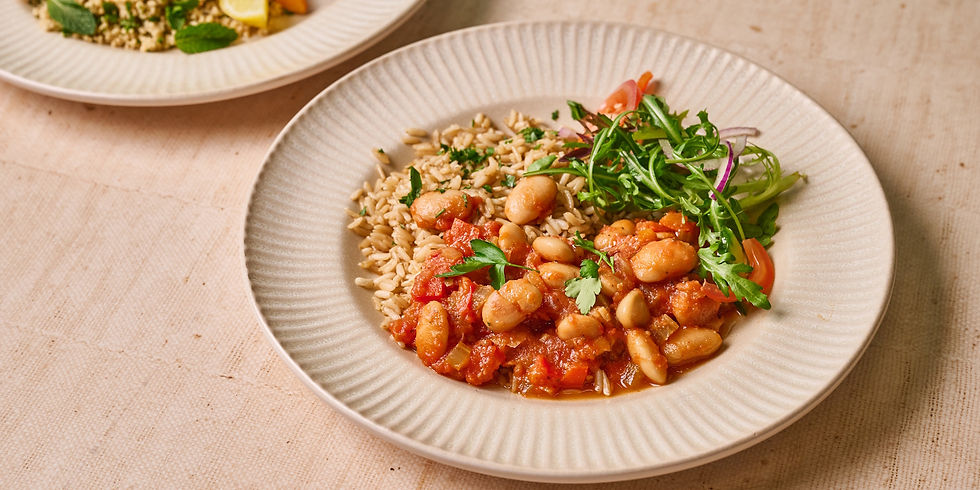
1. Eat a variety of foods
For a lot of people, getting enough protein is the biggest barrier to a plant-based diet. But protein isn’t just about quantity – it's also about quality. You don’t have to rely on tofu alone. Plants contain protein too, though in smaller amounts, but they add up across the day. Look for protein in:
Beans, lentils and chickpeas
Peas and edamame
Broccoli and leafy greens
Wholegrains like oats, brown rice, barley and quinoa
Nuts, seeds and nut butters
Unlike animal protein, plant proteins may not contain all the 'essential amino acids' (that’s the building blocks for protein in our body). But eating a variety of foods throughout the day solves that easily. You don’t need to combine foods at every meal, just aim for diversity over time. Some great plant protein combos include:
Beans and rice
Hummus and wholegrain bread
Lentil curry and quinoa
Oats and nuts and seeds
A colourful and varied diet will give you complete proteins and a wide range of nutrients. With regular portions of these foods, meeting your protein needs on a vegan diet is completely achievable.
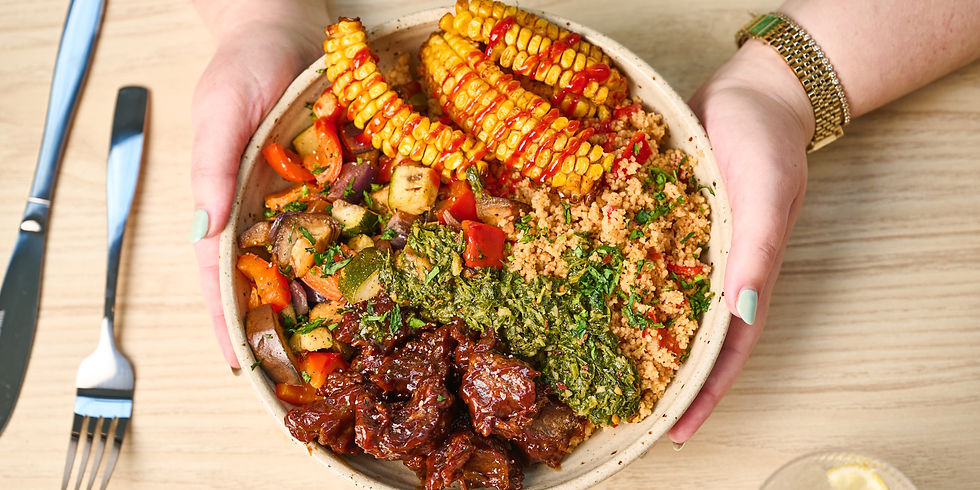
2. Try plant-based meat alternatives
There are so many reasons why plant-based meat alternatives are a great choice:
They’re convenient when you’re short on time
They satisfy cravings for familiar meals
They make transitioning to vegan eating easier
Many are fortified with nutrients like iron or vitamin B12
You can get plant-based burgers, sausages, mince, nuggets, meatballs and so much more – perfect for quick dinners and fuss-free comfort food!
3. Get the Good Fats (Especially omega-3)
Omega-3 fatty acids support brain, heart, and eye health. Oily fish is a common source, but fish get their omega-3 from algae. You can go straight to the source by incorporating the following into your diet:
Seaweed and nori
Microalgae supplements (DHA/EPA)
Alternatively, seek out plant omega-3 sources, including chia seeds, walnuts, flaxseeds and hemp seeds. These provide ALA, which your body can convert (in small amounts) into the more active forms of omega-3.
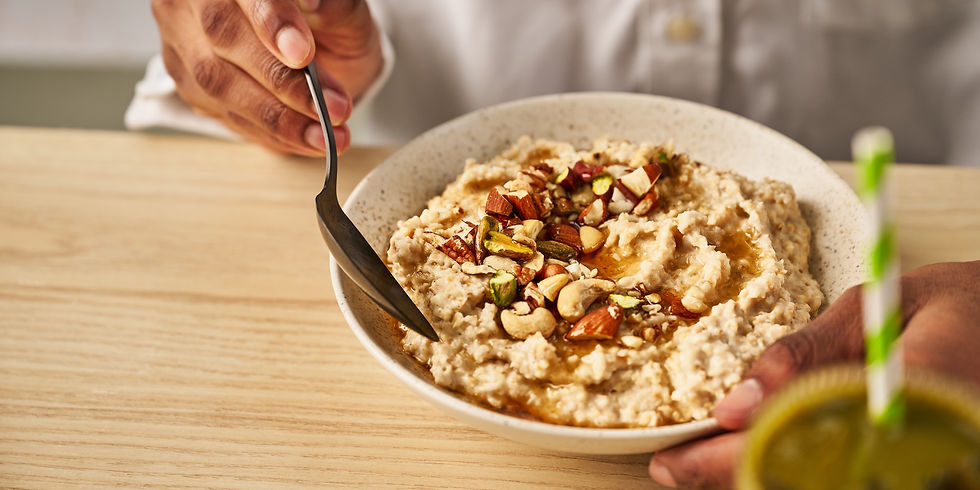
4. Choose fortified plant milks
Not all plant milks are created equal. Look for ones fortified with calcium, iodine, vitamin B12, vitamin B2 and vitamin B6. These replace what you’d typically get from dairy and help support bone health, energy levels and thyroid function. Oat, soya, and almond milks often have fortified options – simply check the label.

5. Mind key vitamins & minerals
Certain nutrients are trickier to get from a vegan diet alone, so being aware of them is important. Those are iodine, vitamin B12 and iron. Fortified breakfast cereals are a simple way to start your day with B12, iron, and sometimes iodine. Consider a B12 supplement, as it’s the most reliable way to meet needs long-term. For iron, include beans, lentils, tofu, pumpkin seeds and leafy greens, and eat them alongside vitamin C–rich foods (like peppers or citrus) to improve the iron absorption. With a little planning, you can cover all bases easily.
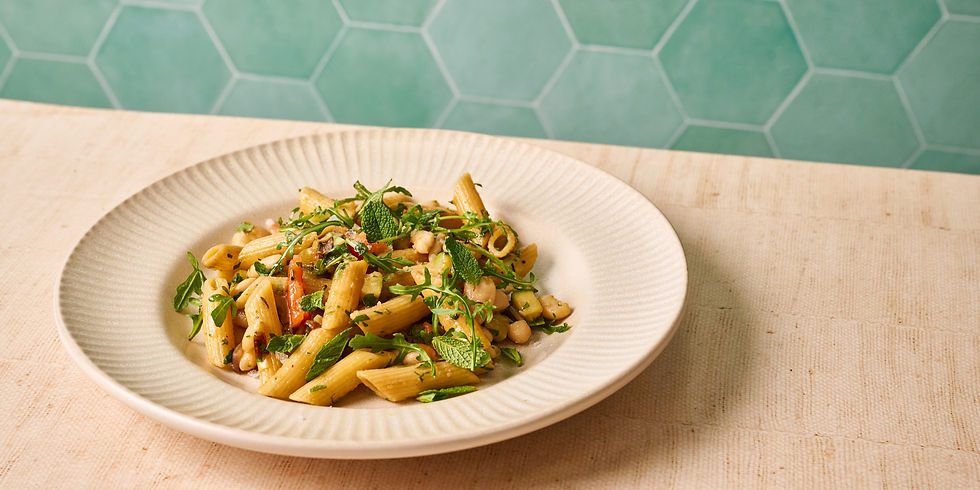
6. Feeling bloated? You’re not alone!
A sudden increase in fibre – from all those beans, lentils, wholegrains and vegetables – can be a shock to your digestive system. This should adjust within a few weeks. Help ease the transition by:
Introducing new high-fibre foods gradually
Avoiding eating beans and pulses at every single meal
Starting with smaller meals and increasing portions slowly
Drinking plenty of water to help fibre move comfortably through your system
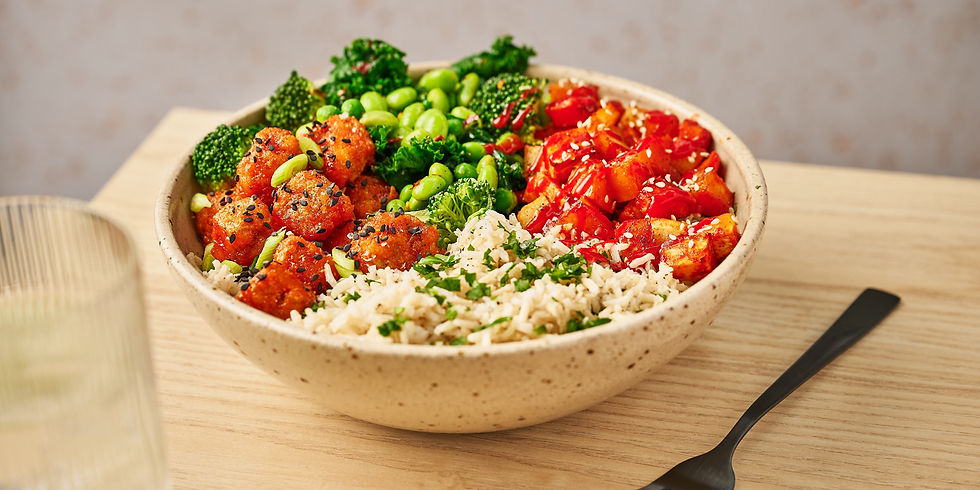
Need some motivation to make it through the month?
A healthy plant-based diet comes with plenty of benefits:
Plant-based diets generally have a smaller environmental footprint, as less land, water, and energy are required to produce plant-based foods. So you can feel good knowing you’re doing your bit for the planet too!
A diet high in plants and fibre support healthy digestion, a diverse gut microbiome, – found to improve immunity, mental wellbeing and overall health – steady blood sugar levels, and better long-term health outcomes including lower cholesterol. Whether you're fully vegan or simply eating more plant-based meals, more fibre is almost always a win!
The takeaway
A vegan diet can be incredibly nutritious, but like any way of eating, it requires balance and variety. With fortified foods, good protein sources, healthy fats, and a colourful plate, you can meet your nutritional needs and enjoy the many benefits of eating more plants.
Comments