
How to stay aware of sugar while enjoying the Easter festivities

Easter is a time for family, friends – and, of course, chocolate! Enjoying Easter treats doesn’t have to derail your health goals or come with guilt. With mindful choices and a little understanding of what makes a treat higher or lower in sugar, you can navigate the Easter period more confidently.

Good to know
When eating chocolate, it’s helpful to keep an eye on sugar content. Adults are advised to limit ‘free’ or added sugar – the kind not naturally found in fruit (fructose) or dairy (lactose) – to 30g per day, roughly seven teaspoons (for reference, one teaspoon equals around four grams of sugar).
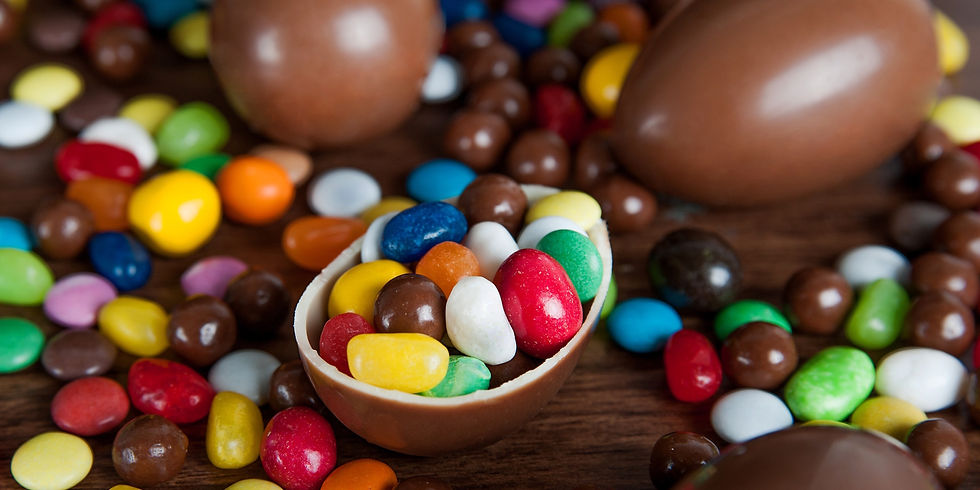
While sugar per 100g helps compare products, Easter eggs vary greatly in size. Larger eggs can encourage bigger portions, making total sugar intake much higher. Instead of eating an entire egg in one sitting, consider breaking it into smaller portions or choosing mini eggs or smaller options – especially since many popular Easter eggs contain over 60g of sugar per 100g!

Get to know your chocolate
Not all chocolate contains the same amount of sugar. If you’re looking to cut down on the amount of sugar you consume this Easter, then choosing which type of chocolate you eat could be the key.
White chocolate contains no cocoa solids and is mainly cocoa butter, milk solids, and sugar – making it the sweetest and typically highest in sugar.
Milk chocolate includes added sugar to complement its creamy, milk‑based texture.
Dark chocolate generally contains the least sugar, but levels vary widely. A higher cocoa content (70-90%) means less sugar, while lower‑cocoa options (around 50%) contain more and taste less bitter.
Top Easter tips
Choose dark chocolate for a lower‑sugar option.
Stay active – a walk with friends or family can improve insulin sensitivity and help keep blood sugar levels stable.
Avoid ‘sugar‑free’ or ‘diabetic’ chocolates, which often contain sweeteners that may have a laxative effect.
Practice moderation – there are no ‘good’ or ‘bad’ foods, only appropriate portions.
Spread your chocolate out over a few days rather than eating it all at once.
Buy Easter eggs closer to the weekend to avoid prolonged temptation.
Suggest alternative gifts like flowers, fruit, or a book, if you’d prefer less chocolate.
Opt for mini egg portions that can be enjoyed in their entirety with a cup of with a tea, coffee, or your drink of choice!
Final thoughts
All sweet treats can be enjoyed in moderation – even at Easter – as part of a healthy, balanced diet. If you’re aiming to manage blood sugar, support heart health, or protect your teeth, simply being mindful of overall diet and sugar intake is key, especially during traditionally indulgent times of year.
Comments