
What does a healthy, balanced diet actually mean?

Updated: Mar 24
In a world of social media trends, conflicting nutritional advice, and supermarket shelves packed with ‘health’ products, eating well can feel far more complicated (and expensive) than it needs to be. The truth is, a healthy balanced diet is built on simple principles – and no foods need to be completely off limits.
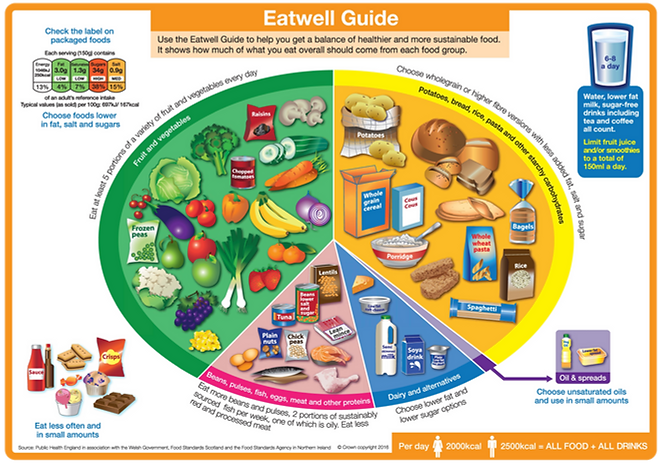
The UK Eatwell Guide provides a blueprint for a healthy balanced diet and how much we should be eating from each food group to get all the nutrients we need. It’s best to think of it over the course of a day or week, rather than for planning individual meals.
The main food groups
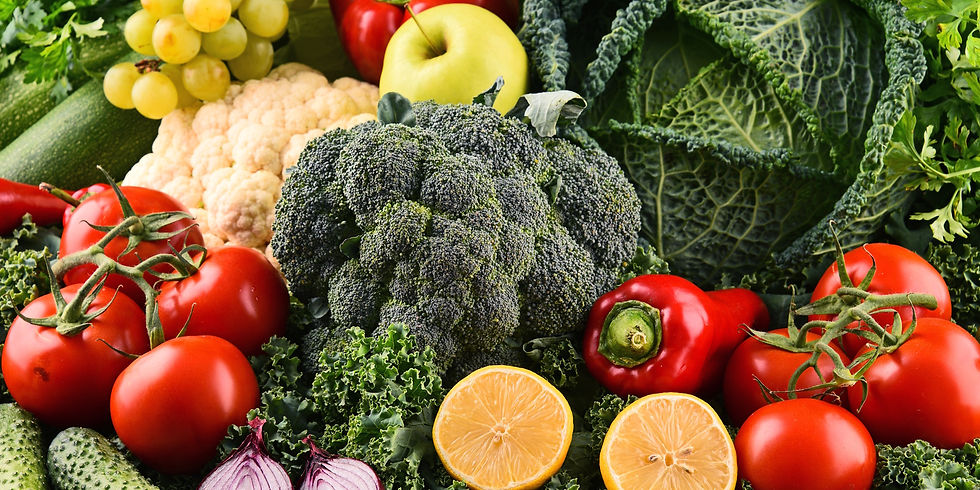
Fruits and vegetables
Eatwell Guide: ~39% of your diet
Fruit and vegetables are packed with vitamins, minerals, antioxidants, and fibre – all essential for gut health, immunity, and overall wellbeing. Different colours provide different nutrients, so aim to ‘eat the rainbow’.
Eatwell tips:
Aim for at least five portions a day (one portion is roughly 80g or a handful)
Fresh, frozen, canned, and dried all count (choose options with no added salt or sugar)
Try to fill half your plate with vegetables at main meals
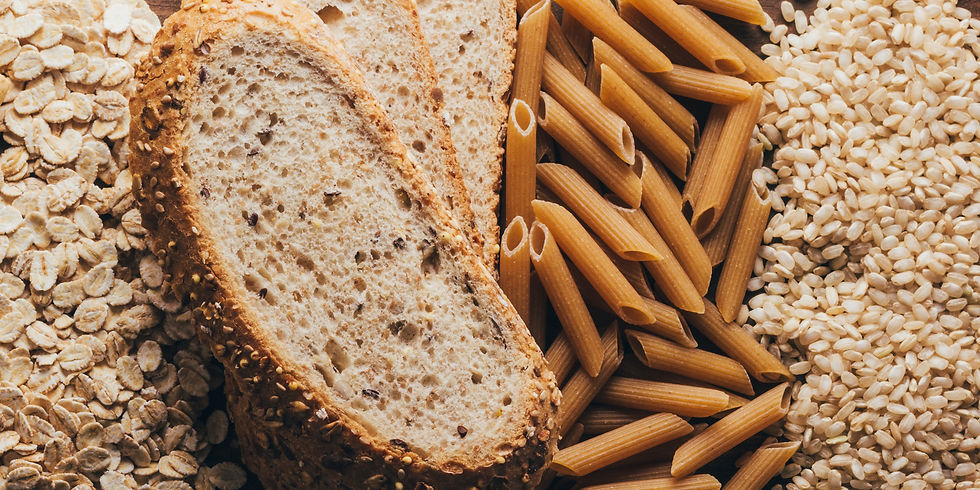
Starchy carbohydrates
Eatwell Guide: ~37% of your diet
Despite their bad reputation, starchy carbohydrates are the body’s preferred source of energy. They’re broken down into sugars that fuel our muscles, organs, and – importantly – our brains.
Many starchy foods are also high in fibre, a type of carbohydrate our bodies don’t digest. Fibre supports digestion and feeds our gut microbiome. Read more about fibre here.
Eatwell tips:
Aim for three-to-four portions per day
Base meals around potatoes, bread, rice, pasta, oats, and other starchy carbs
Choose wholegrain versions where possible for extra fibre, vitamins and minerals, as well as keeping you fuller
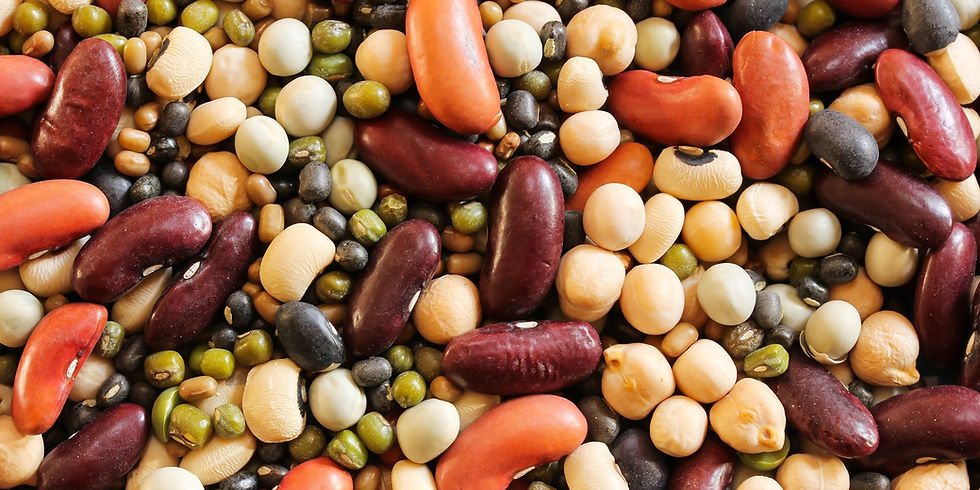
Protein foods
Eatwell Guide: ~12% of your diet (two-to-three portions per day)
Protein is essential for muscle repair, growth, and keeping us feeling full – but we often need less than we think.
Eatwell tips:
Include a variety of protein sources: beans, pulses, eggs, fish, meat, and alternatives
Eat more beans and pulses
Limit red and processed meat to under 70g per day
Choose lean cuts of meat and remove skin from poultry
Aim for two portions of sustainably sourced fish per week, one of which should be oily

Dairy and dairy alternatives
Eatwell Guide: ~8% of your diet (two-to-three portions per day)
Dairy and fortified alternatives provide calcium, protein, and important vitamins that support bone health.
Eatwell tips:
Choose lower-fat and lower-sugar options where possible
Fortified dairy alternatives (such as soy drinks) can count too

Fats and oils
Consume in small amounts, but these are still important.
Fats are essential for hormone production, cell membranes, and absorbing certain vitamins. The key is choosing the right types.
Eatwell tips:
Choose unsaturated fats (olive oil, avocado, nuts, seeds)
Limit saturated fats (butter, animal fats)
Use oils and spreads sparingly, rather than avoiding them altogether
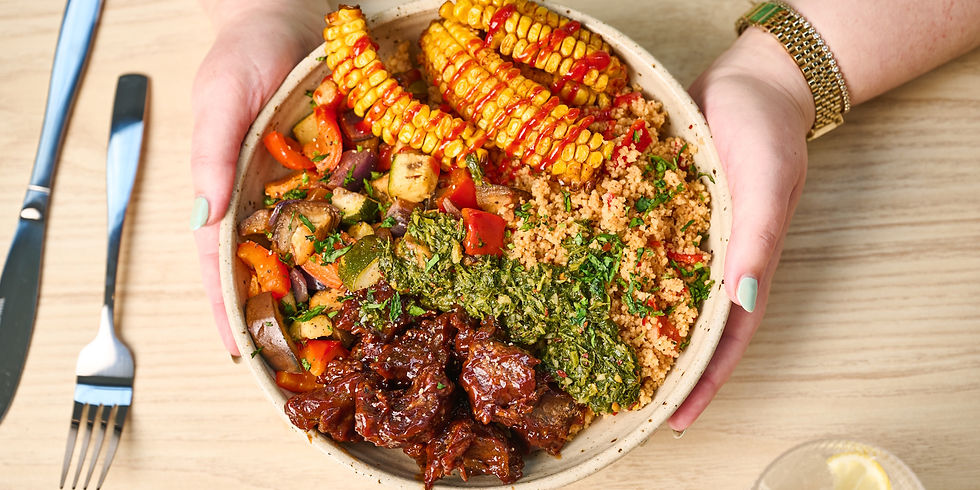
Building a balanced plate
A simple way to structure meals:
½ plate vegetables
¼ plate protein
¼ plate starchy carbohydrates
Add a small amount of healthy fat (olive oil, avocado, nuts, or seeds)
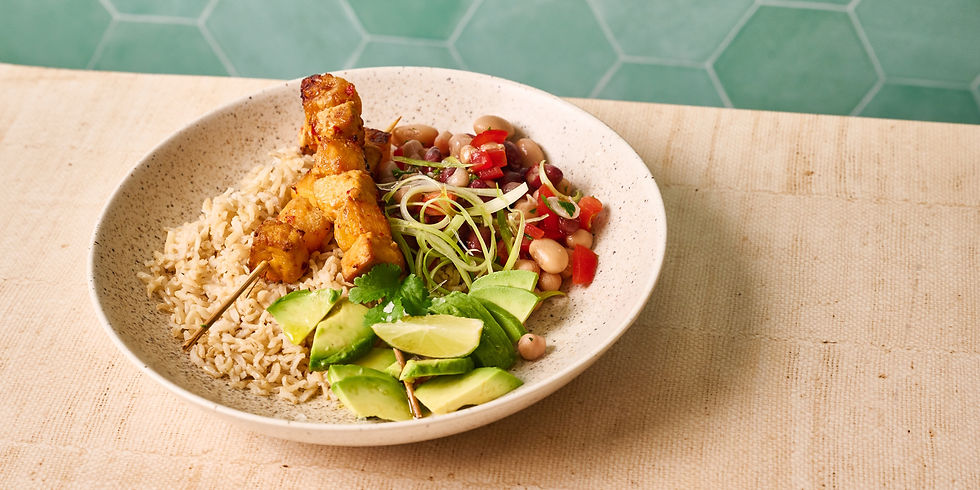
The bigger picture: balance over time
The Eatwell Guide isn’t about making every meal perfect. It’s best viewed across the day or week, allowing flexibility and enjoyment.
Eat foods that are high in fat, salt, and sugar less often
Follow the 80:20 approach – aim for nourishing choices most of the time, with room for enjoyment
No foods should feel off limits
Don’t forget hydration – drink six-to-eight cups or glasses of fluid per day
Healthy eating doesn’t need to be restrictive, expensive or overwhelming. By focusing on variety, balance, and realistic habits, you can nourish your body while still enjoying your food.
Comments