
Fibre: the nutrient we all need more of (and why it matters)

Updated: Mar 18
When we talk about nutrition, protein often steals the spotlight. But there’s another nutrient that deserves just as much attention: fibre. Despite its powerful health benefits, only 4% of us in the UK are eating enough! So, what exactly is fibre, why do we need it, and how can we get more?
What is fibre?
Fibre is a type of carbohydrate that our bodies can’t digest. Fibre is only found in plant foods such as fruits, vegetables, wholegrains, beans, nuts and seeds. Unlike other carbs, it passes through the gut largely intact, playing an essential role in keeping our bodies healthy.
There are two main types:
Insoluble fibre, which adds bulk to stools and helps keep digestion moving.
Soluble fibre, which forms a gel-like substance in the gut and supports heart health, gut bacteria and blood sugar control.
Why is fibre so good for us?
Even though we can’t digest fibre, our gut bacteria love it – and they repay us with compounds that support overall health.
Fibre does far more than just keep us ‘regular’. A fibre-rich diet is linked to:
Better digestive and gut health
Lower cholesterol (the fibre collects it up and reducing the amount that gets absorbed), reducing risk of heart disease
More stable blood sugar levels contributing to a lower risk of type 2 diabetes
Increased fullness after meals, which can support weight management
And the benefits go beyond the gut. Around 70% of our immune system lives in the gut, and fibre helps keep this system functioning well. There’s also a strong connection between gut health and mental wellbeing, via the gut–brain axis and the vagus nerve.
How much fibre do we need – and how much are we eating?
Adults in the UK are recommended to eat 30g of fibre per day. Doesn’t sound like too much, right? Unfortunately, only around 4% of the UK population actually meets this target.
Simple ways to increase your fibre intake
You may have heard of ‘fibremaxxing’, but more isn’t always better. A sudden increase can lead to bloating, cramps and discomfort. The key is to build up gradually – maybe just pick one meal to swap to wholegrain or add an extra portion of veg – and be sure to drink plenty of fluids alongside.
Easy ways to boost fibre include:
Choosing wholegrain bread, pasta and rice where possible
Adding beans or lentils to soups, salads and sauces (just a handful here and there!)
Aiming for half your plate to be vegetables at meals
Keeping skins on fruit and veg
Choosing fibre-rich snacks like fruit, nuts, hummus or wholegrain crackers
Sprinkling seeds or nuts onto yoghurt, cereal or porridge
What does 30g of fibre actually look like?
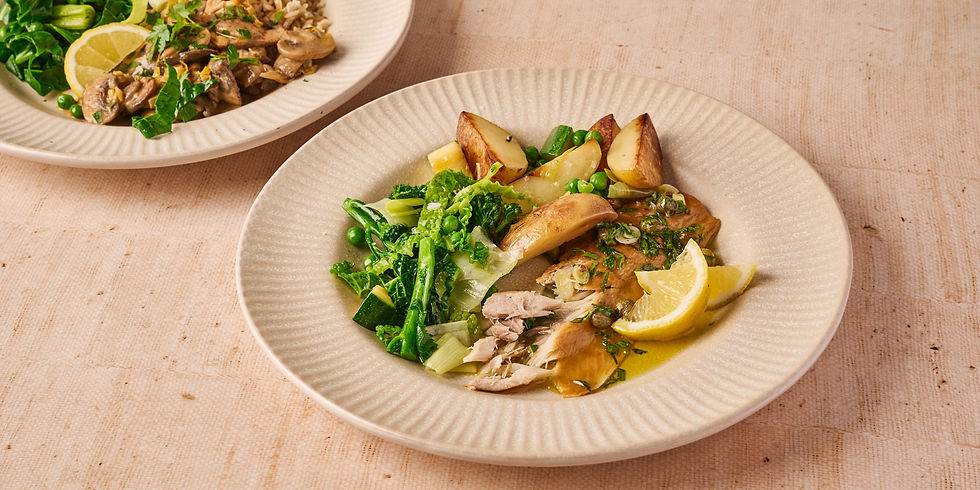
A day of fibre-rich eating could include porridge with fruit and seeds for breakfast, baked beans on wholemeal toast for lunch, and a chilli with vegetables and wholegrain rice for dinner – plus fruit or nuts as snacks. It’s achievable, but it does take a bit of planning.
The takeaway
Fibre might not be glamorous, but it’s one of the most important nutrients for long-term health. By making small, simple swaps and increasing intake gradually, you can give your gut – and the rest of your body – exactly what it needs.
Your digestive system (and your immune system) will thank you!
Comments