
Your guide to eating well during menopause

Dietary advice for people going through perimenopause or menopause isn’t drastically different from the healthy, balanced eating guidelines recommended for the general population; a nutritious, balanced diet remains the foundation for good health.
However, hormonal changes during this stage of life can affect your body in several ways, so there are a few menopause-specific considerations to keep in mind.

Common changes during menopause
During perimenopause and menopause, you may experience:
A higher risk of raised cholesterol, which can increase the risk of heart disease
Hormonal changes that make weight gain more likely, particularly around the waist
Reduced bone density and a higher risk of osteoporosis (brittle bones)
Symptoms such as hot flushes
The good news is that nutrition and lifestyle habits can play a big role in managing these changes.
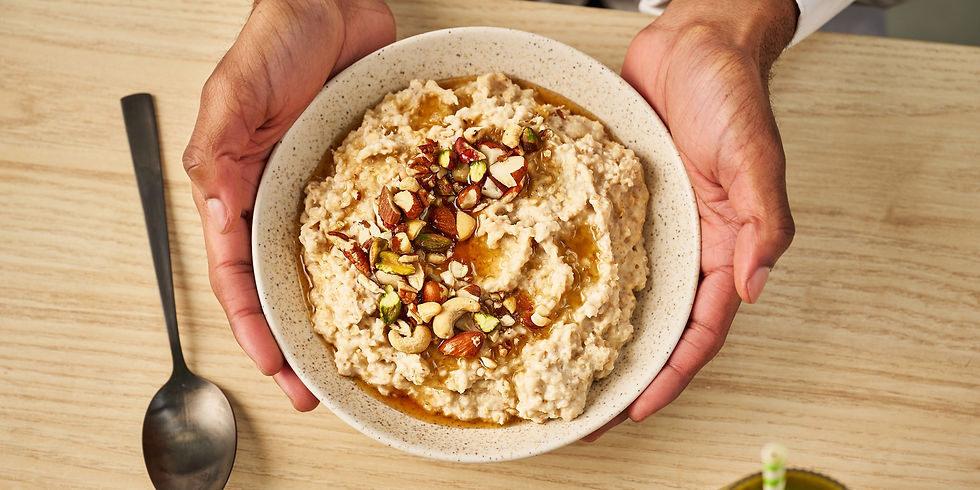
How to keep cholesterol in check
One of the most effective ways to manage cholesterol is through dietary fibre and healthier fat choices.
Foods rich in soluble fibre help lower cholesterol by binding to it during digestion and preventing some of it from being absorbed into the bloodstream. Good sources include oats, apples (with the skin on), beans and pulses (e.g. lentils), and nuts and seeds.
Reducing saturated fat and replacing it with healthier fats can also help support heart health. For example, you could swap butter for extra virgin olive oil, choose lean cuts of meat, and include fish and plant-based proteins regularly.
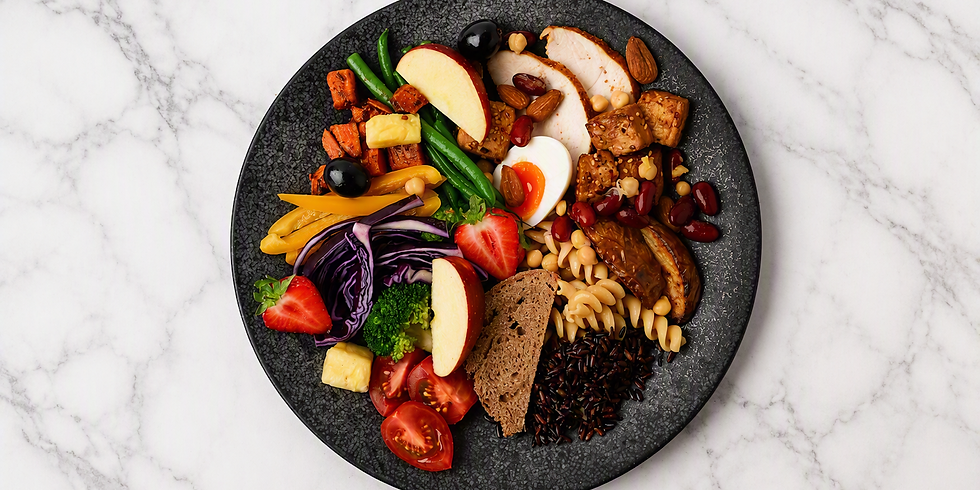
How to manage weight changes
Hormonal shifts and aging in general can make weight gain more common during menopause, especially around the abdomen. A balanced diet and mindful habits can help maintain a healthy weight.
Focus on balanced meals, aiming for:
At least five portions of fruit and vegetables per day
Inclusion of wholegrain carbohydrates such as brown rice, oats and wholegrain bread
Fibre-rich foods (wholegrains, fruit, vegetables, nuts and seeds), which help keep you fuller for longer and support stable energy levels
Inclusion of lean proteins such as beans, eggs, tofu, chicken and white fish
Be mindful of foods that are high in sugar, fat and salt
Choose lower fat dairy and remove visible skin or fat from meat
Avoid drinking hidden calories – choose sugar-free soft drinks (or water!) and be mindful of alcohol intake
Plan to have three regular, balanced meals a day, and include healthy snacks when you are physically hungry.
A simple way to build balanced meals is using the plate method. Aim for:
Half of your plate to be vegetables
A quarter of your plate to be protein
A quarter of your plate to be wholegrain or starchy carbohydrates

How to keep your bones strong
Bone health becomes increasingly important during menopause due to the decline in oestrogen.
Vitamin D helps the body absorb calcium and supports bone health. Although we can get some from foods, the majority comes from sunlight and therefore, in the UK, it is recommended that adults take a vitamin D supplement from May to September.
Strength and resistance training stimulates bone formation and helps maintain bone density.
Aim for two-to-three portions of calcium-rich foods per day, such as milk, yoghurt, cheese, broccoli and leafy green vegetables, and ensure any plant-based dairy alternatives are fortified.
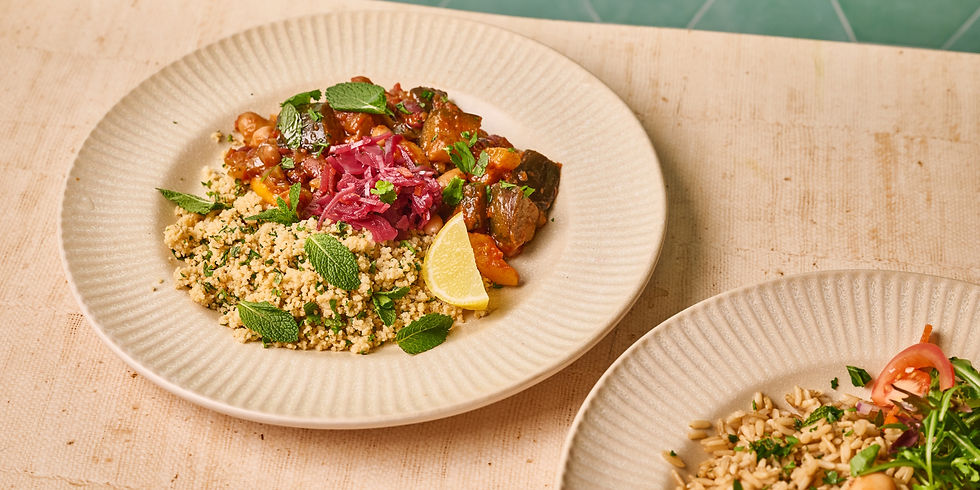
Can diet help with hot flushes?
Some dietary choices may help reduce symptoms for certain people.
Plant oestrogens (phytoestrogens) are naturally occurring compounds are found in foods such as soya products, beans, lentils and other pulses. They are structurally similar to human oestrogen, and some research suggests they may help reduce menopausal symptoms like hot flushes. Evidence is mixed, but these foods are highly nutritious, so including them regularly can still be beneficial.
Some people find that certain foods or drinks trigger hot flushes, including caffeine, alcohol and spicy foods. If you notice a pattern, it may be worth reducing or avoiding these triggers.
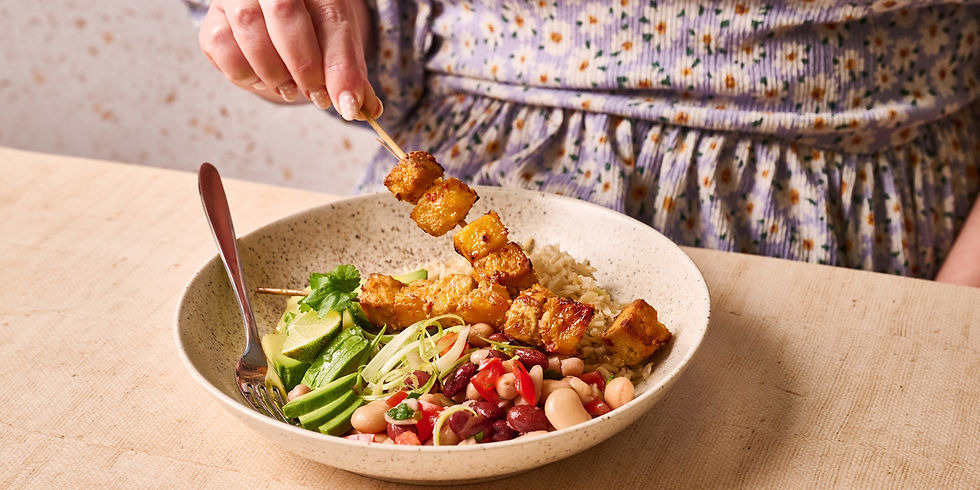
Top tips for eating well during menopause
Prioritise fibre to support heart health and help manage cholesterol
Fill half your plate with vegetables at meals
Choose wholegrains for steady energy and better satiety
Include calcium-rich foods daily to support bone health
Take a vitamin D supplement, particularly in autumn and winter
Stay active, especially with strength or resistance training
Limit alcohol and sugary drinks to help manage weight
Experiment with phytoestrogen-rich foods such as tofu, soya milk, beans and lentils
Notice your triggers – caffeine, alcohol or spicy foods may worsen hot flushes for some people
Small, consistent habits can make a big difference to how you feel during perimenopause and menopause, helping you maintain energy, strength, and overall wellbeing.
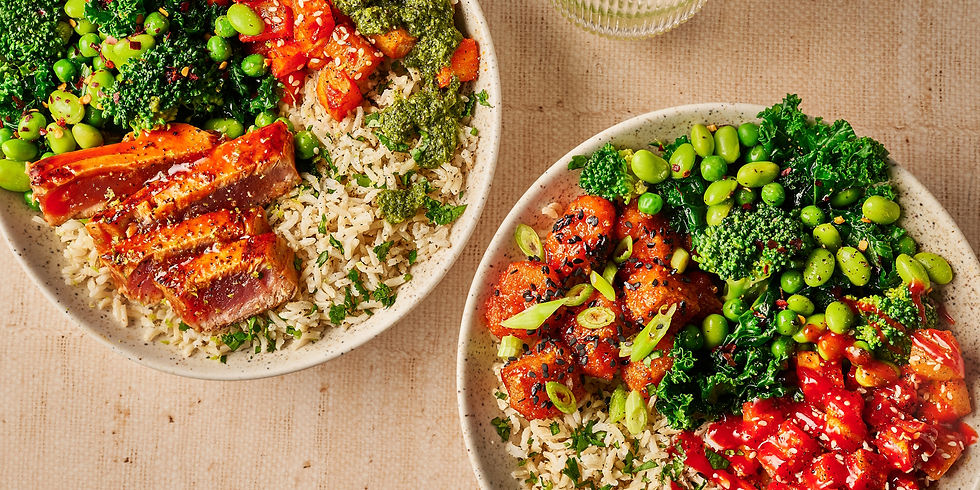
Menopause essentials
Power up your shopping list with these menopause essentials:
Tofu
Flaxseed – add a sprinkle to yoghurt or porridge
Chickpeas, lentils, cannellini beans
Nuts – have a handful as a snack
Apples
Broccoli
Oats
Quinoa
Brown bread
Brown pasta
Chicken breast
Salmon or mackerel
Yoghurt
Olive oil
Comments