
Five evidence-based habits to support your gut health

The gut, or gastrointestinal (GI) tract, is the digestive system that runs from the mouth to the anus. Its primary role is to digest food, absorb nutrients and fluids, and remove waste. The gut also plays an important role in immune function and communication with the brain.
The gut microbiome refers to the trillions of microorganisms, including bacteria, fungi and viruses, that live in the digestive tract. Most are harmless or beneficial, helping to break down food, produce certain vitamins, support the immune system and maintain gut health.
What influences your gut health?
Many factors affect gut health, including diet, physical activity, sleep, stress levels, medications (particularly antibiotics), smoking, alcohol intake and ageing. While some factors cannot be changed, lifestyle habits can significantly influence the health and diversity of the gut microbiome.
Unfortunately, there is no single quick fix for good gut health. The world of wellness is full of bold claims, trendy products and conflicting advice, making it difficult to distinguish evidence-based guidance from myths. From ‘skinny/detox’ teas and colon cleanses to avoiding fruit because it contains natural sugars, many popular gut health messages are not supported by scientific evidence. The good news is that a few simple, sustainable habits can have a meaningful impact on your gut health and overall wellbeing:

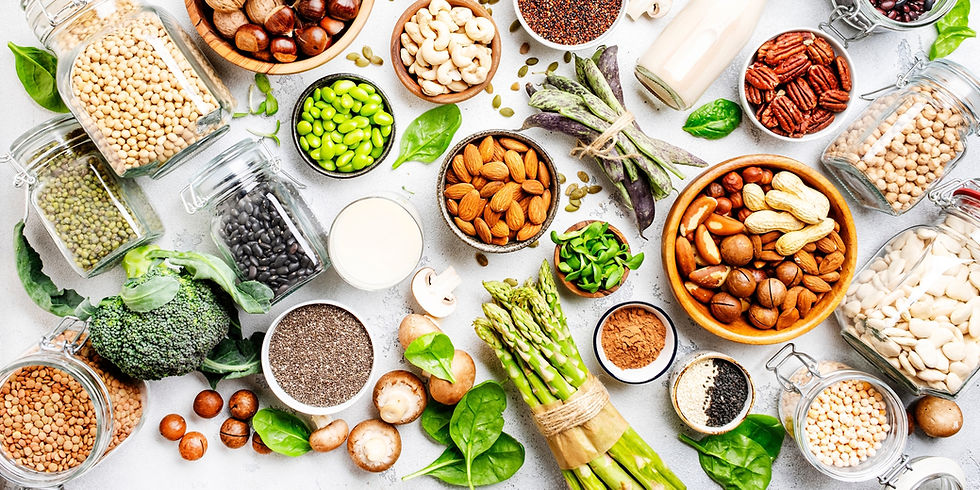
Eat a variety of plant foods
Aim for plenty of fruits, vegetables, whole grains, beans, nuts and seeds, which provide nutrients that support beneficial gut bacteria.
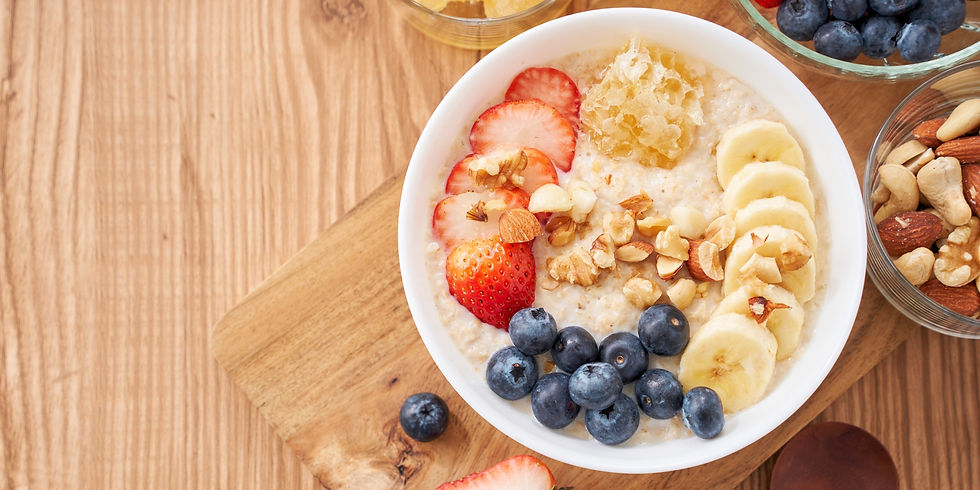
Include fibre-rich foods daily
As well as being nutrient-rich, fruits, vegetables, whole grains, beans, nuts and seeds are also good sources of fibre. Fibre acts as fuel for gut microbes and supports healthy digestion.

Try fermented foods
Foods such as plain yoghurt (containing live cultures), kefir, unpasteurized kimchi and sauerkraut may help increase beneficial bacteria in the gut.

Stay physically active
Regular movement is linked with greater microbial diversity and improved digestive health, as well as promoting the production of short-chain fatty acids (SCFAs) which serve as the primary energy source for colon cells.

Prioritise sleep & manage stress
Poor sleep and chronic stress can negatively affect the gut microbiome and digestive function.
Remember, healthy gut habits do not need to be complicated. Consistent, balanced lifestyle choices are far more effective than expensive supplements or fad diets.
Comments