
Plant-based meat alternatives – friend or foe?

Plant-based meat alternatives (PBMAs) have been hailed as the ‘future of food’ by some and criticised by others. But what actually are they, and do they really help us achieve healthier and more sustainable diets?
What are PBMAs?
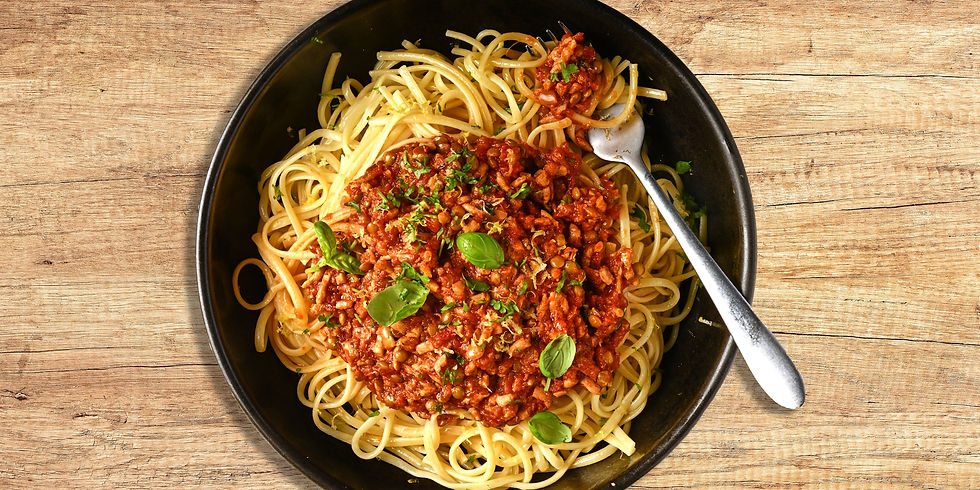
Plant-based meat alternatives are a broad range of food products, made primarily from plant-derived ingredients, designed to mimic the taste, texture, appearance and culinary use of meat in meals. They are typically used as substitutes in familiar meals such as burgers, sausages, mince, meatballs and chicken-style pieces. Common ingredients include soy protein (e.g. tofu and tempeh), pea protein, wheat protein, mycoprotein, mushrooms and legumes. These ingredients are typically combined with oils, flavourings, colourings and binders to replicate the sensory characteristics of meat. Importantly, PBMAs are distinct from traditional standalone plant proteins such as beans, lentils, chickpeas, tofu, and tempeh.
Are PBMAs healthy?
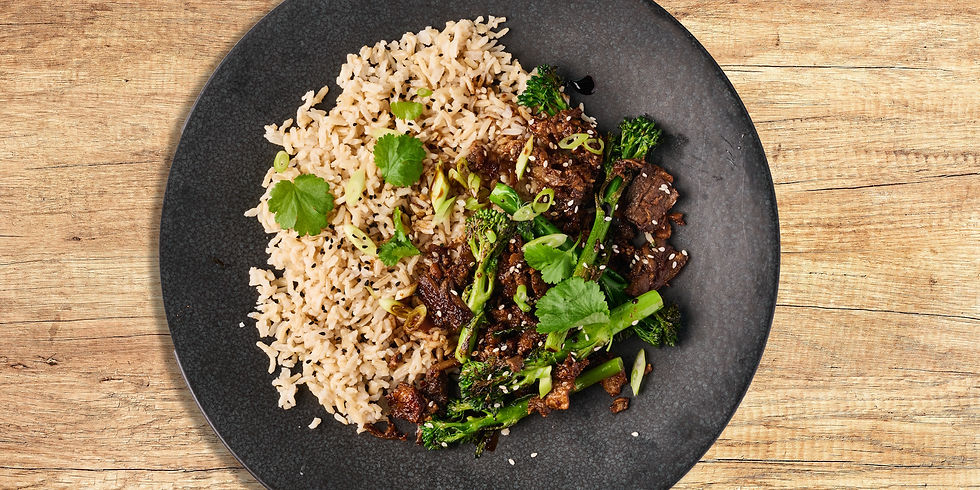
PBMAs are not inherently healthy or unhealthy. Their nutritional value depends on the individual product and what they are replacing in the diet. Many provide less saturated fat and more fibre than equivalent meat products, but some can be high in salt and are often more processed.
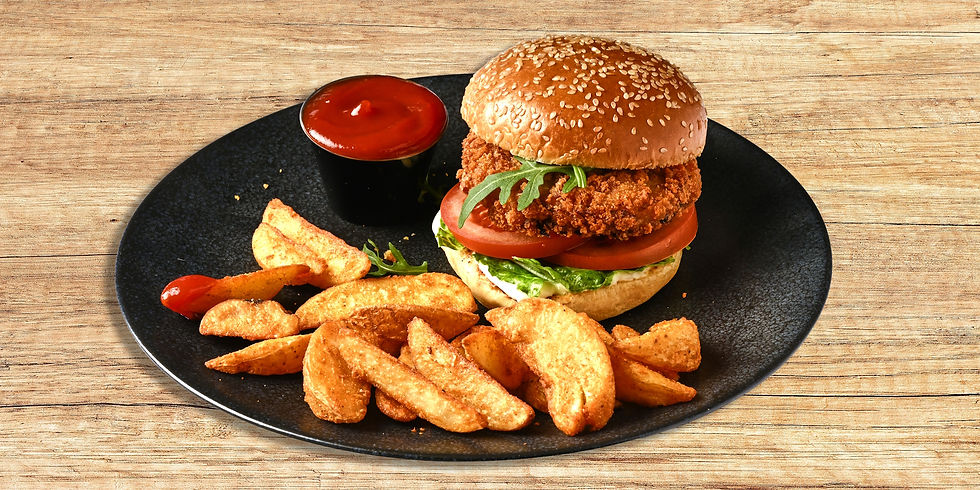
However, it is worth noting that many commercially available meat products are also classified as ultra-processed foods (UPFs) due to the use of preservatives, emulsifiers or added ingredients, such as those found in breaded products.
The quality and quantity of protein can vary considerably between PBMAs, and protein content is often lower than in meat products. However, protein intake is generally adequate among UK adults, so this is unlikely to be a concern unless you have higher-than-average protein requirements.
PBMAs can be a healthy choice, particularly when replacing processed or high-fat meats, but they should not automatically be considered healthier simply because they are plant-based. If you consume them regularly as a replacement for meat, check the salt content and look for fortified products that provide nutrients commonly found in meat, such as iron, vitamin B12, iodine and zinc.
Ultimately, the health impact of PBMAs depends on their nutritional profile, level of processing and the foods they replace in the diet.
Are PBMAs more sustainable?
PBMAs typically have a lower environmental footprint than conventional meat products, generating fewer greenhouse gas emissions and requiring less land and water to produce. However, not all PBMAs are created equal. Whole plant foods such as beans, lentils and peas generally require fewer resources and less processing than some highly processed meat alternatives, which may involve protein extraction, isolation and multiple manufacturing steps. As with most aspects of nutrition and sustainability, context matters.
Cost is another important consideration, particularly during a period of rising food prices. On a gram-by-gram basis, PBMAs are often more expensive than equivalent meat products. However, direct price comparisons do not usually account for the wider environmental costs associated with food production.
Final thoughts
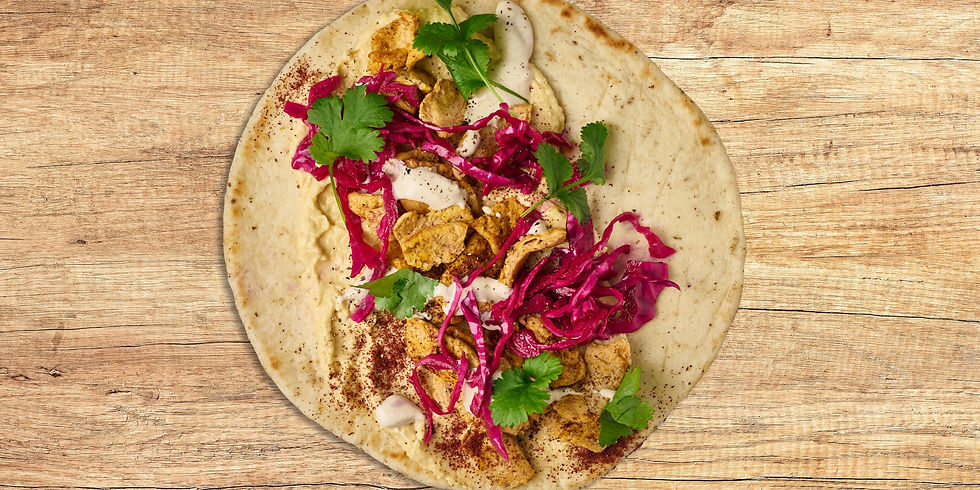
Rather than viewing PBMAs as either a friend or foe, a more balanced perspective is needed. While they are unlikely to match the nutritional benefits of whole plant foods, they can be a useful option for those reducing meat consumption, particularly red and processed meat, by providing protein and fibre while often lowering saturated fat intake.
Comments