
Five tips to help you eat for your brain health

Updated: Jul 13
Taking place on 22nd July, the theme for this year’s World Brain Day is ‘Brain Health for all Ages’, highlighting how the brain supports overall health throughout life.
Brain health is the ability to think, learn, remember, make decisions, and manage emotions. It is not just about the absence of disease – it also means keeping the brain functioning at its best over time.
Brain health is influenced by lifestyle factors such as blood pressure, diet, exercise, lifelong learning, and nutrition. Here are our five top tips to help you maintain good brain health:

Focus on your overall diet, not a single ‘superfood’. There is no one food that can optimise brain function in isolation. Research shows that overall eating patterns matter most. Incorporate a variety of brain-healthy foods: include fruits, vegetables, whole grains, legumes, nuts, seeds, and healthy fats like olive oil. These foods are rich in nutrients (antioxidants, fibre, unsaturated fats) that support blood vessel health and reduce inflammation, which are both important for brain health.

Include fatty fish and healthy fats in your diet. Regular consumption of fatty fish like salmon, mackerel, and sardines are crucial due to their rich omega-3 fatty acids, which support brain function and reduce inflammation. If you don’t eat fish, ask your doctor about taking an omega-3 supplement, or choose plant-based omega-3 sources such as flaxseeds, avocados, and walnuts.
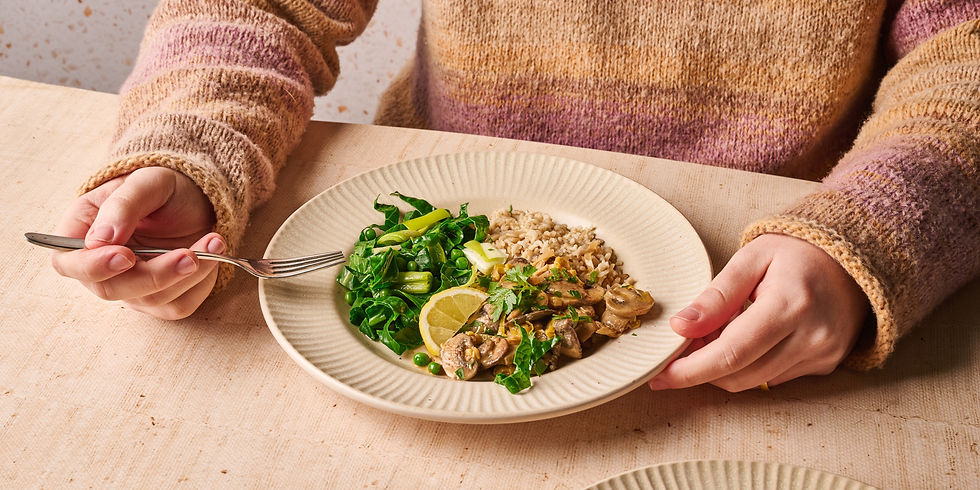
Get your greens. Foods like kale, spinach, collards, and broccoli are rich in brain-healthy nutrients like vitamin K, lutein, folate, and beta carotene that help protect brain health and may help slow cognitive decline.
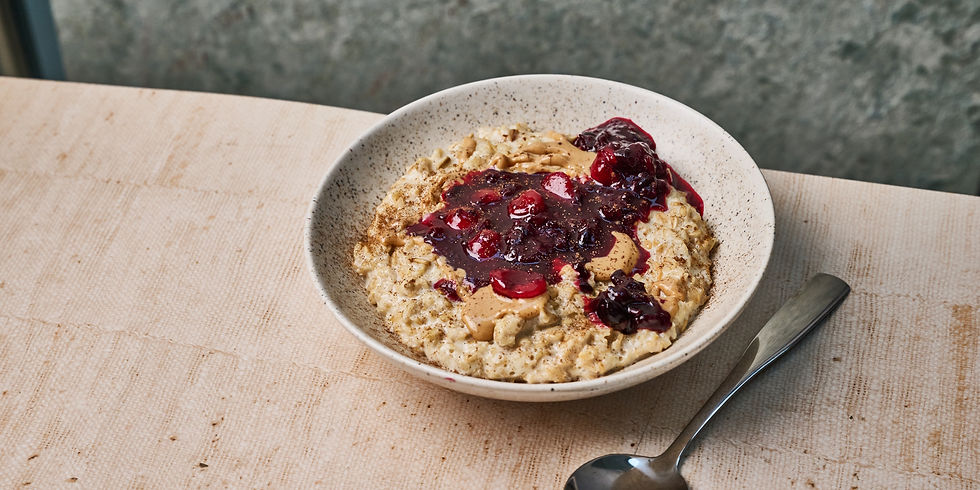
Bang in some berries. Berries – particularly blueberries – are rich in antioxidants and flavonoids that help protect brain cells from damage and stress and support memory and thinking skills. Including a mix of berries, such as strawberries and blackberries, provides a broader range of nutrients and benefits.

Opt for whole grains. Whole grains provide essential nutrients such as fibre, B vitamins, minerals, and antioxidants that support brain health. Consuming whole grains supports brain health by reducing inflammation, providing steady energy throughout the day, and lowering the risk of cognitive decline and dementia.
By following these tips and making mindful dietary choices, you can support your brain's health and function.
Easy swaps for a healthier summer BBQ
Keen to enjoy the summer sunshine and dine al fresco, but mindful of your nutrition goals? Take a look at our simple swaps to help you enjoy a healthier summer BBQ.

Protein swaps
Swap fatty sausages for lean chicken or turkey skewers. These are lower in saturated fat, but just as tasty when marinated.
Swap shop-bought burgers and processed meat for grilled fish such as salmon and mackerel. These are rich in omega-3s, and great for heart and brain health.

Carbohydrate swaps
Swap white burger buns for wholegrain buns or lettuce wraps. Wholegrain buns contain more fibre, which helps keep blood sugar levels more stable and provides longer lasting energy.
Swap white pasta with wholegrain pasta, wild rice or quinoa in salads. These offer more fibre, are more nutrient-dense, and help keep you fuller for longer.

Side swaps
Swap creamy coleslaw for a yogurt-based slaw. Use natural yogurt instead of mayo for fewer calories and more protein.
Swap potato salad with full-fat mayo for an olive oil & herb potato salad, which is lighter and rich in unsaturated healthy fats.
Comments