
What's in season in March?

Updated: Mar 18
Eating food when it’s in season not only means it tastes better, it’s also great for your health and the environment. Not to mention, in-season produce is often cheaper, especially when there is a glut!
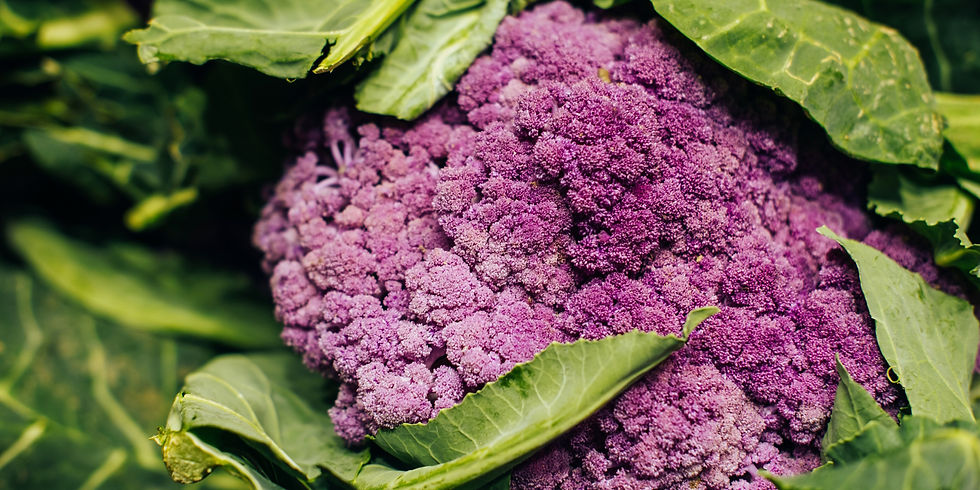
Purple sprouting broccoli
Not just prettier to look at, purple sprouting broccoli comes with some extra health benefits when compared to a standard broccoli head – mostly thanks to the fact that you’d eat the stalk (more fibre, yes please!), but also because the lovely purple colour brings with it an array of antioxidants that we don’t eat very often. Get it in while it’s in season! Purple sprouting broccoli boasts:
4g plant-based protein per 100g
More fibre, folate (almost 2x), calcium and vitamin C than a standard broccoli head
Vitamin B6, which helps reduce tiredness and fatigue
Pantothenic acid, which supports normal mental performance, helping you focus
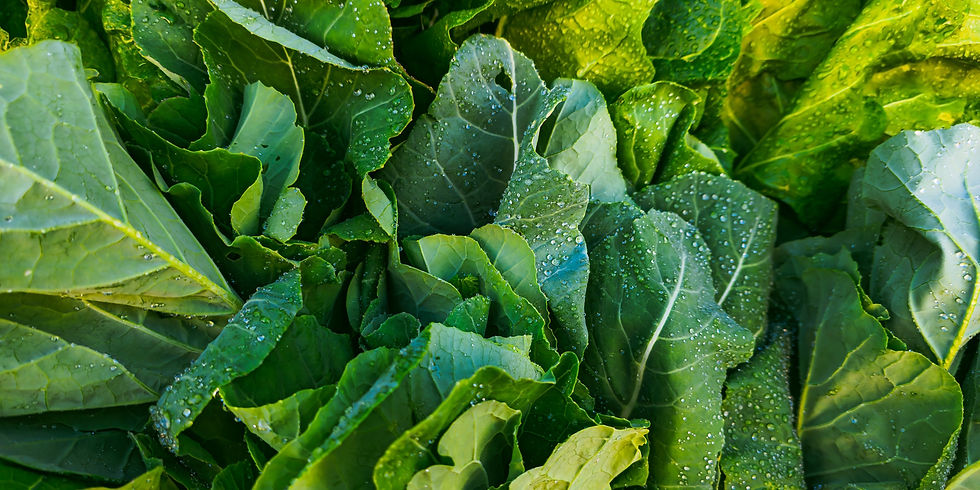
Spring greens
As the name would suggest, spring greens are best in March. Steam or stir fry rather than boiling to avoid the nutrients leaching into water. Spring greens contain:
Vitamin B6, iron and folate, which help reduce tiredness and fatigue
Vitamin C, which keeps your immune system functioning normally
Calcium, which is essential for healthy bones and teeth
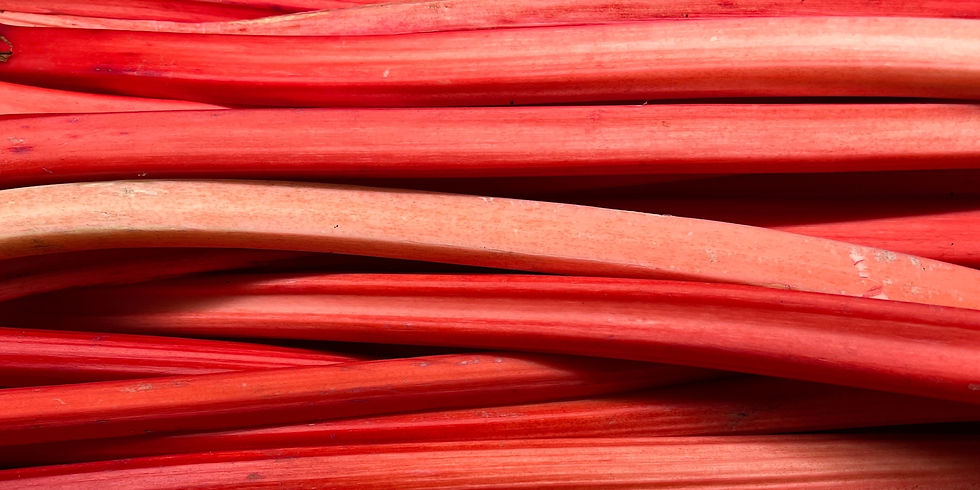
Forced rhubarb
This bright pink fruit is only around until the end of March. ‘Forcing’ means to grow the rhubarb in darkness, forcing it to grow quickly to try to reach light which never comes.
Make sure to cook it to help your body digest it, and reduce the tartness! Avoid adding too much sugar when cooking – try roasting with a sprinkling of sugar and a squeeze of orange juice for sweetness. Serve your roasted rhubarb on top of porridge with a dollop of yoghurt for a delicious and nutritious start to the day!
Forced rhubarb is:
Packed full of antioxidants – that bright pink is a colour that we don’t eat very much of, coming with an array of polyphenols and anthocyanins which help fight oxidative stress.
Low in calories – just 7kcal per 100g.
Comments